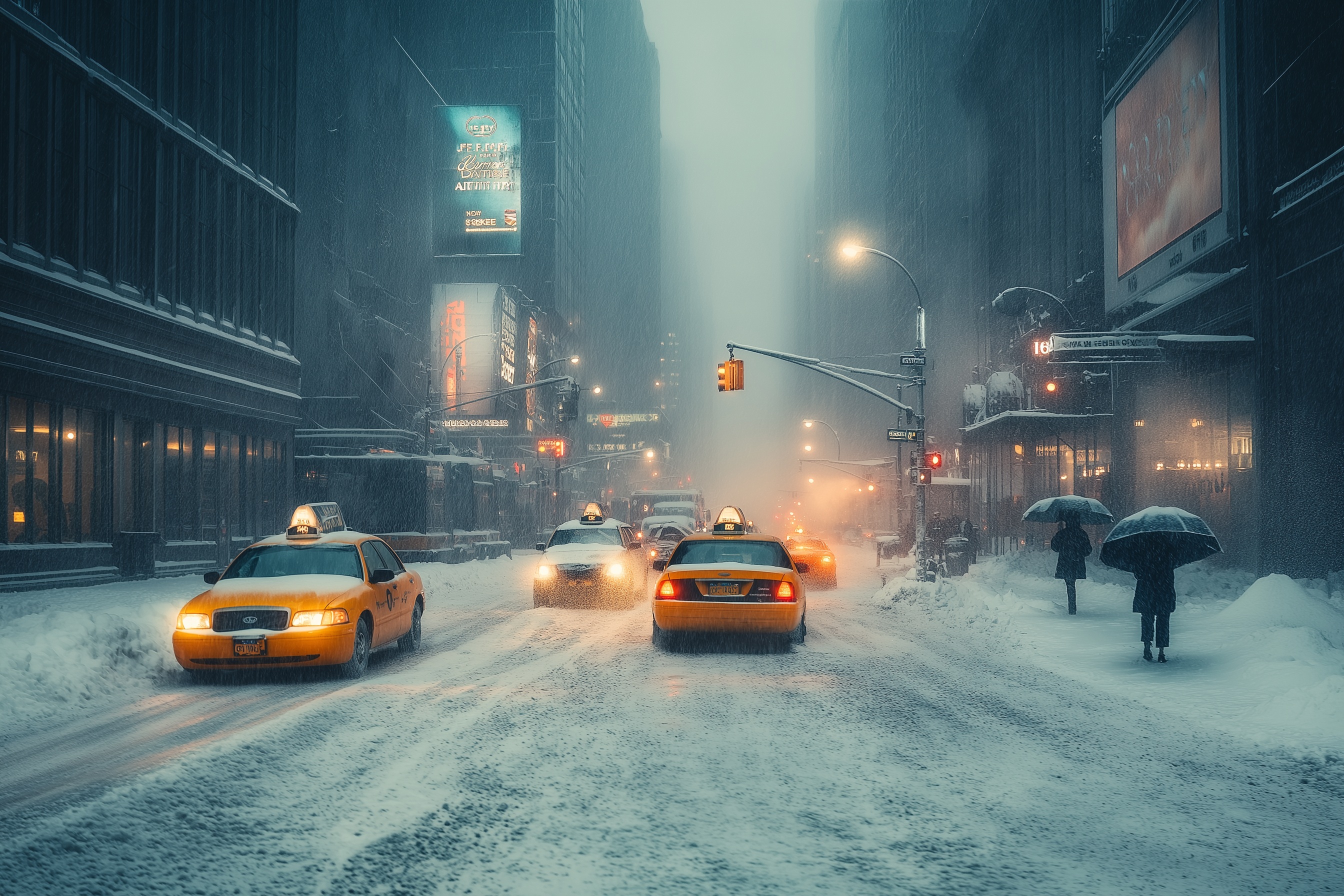
A powerful winter storm swept across the northeastern United States over the weekend of February 22-23, blanketing communities from Maryland to Maine with heavy snowfall and creating hazardous conditions for millions of residents. Some areas of New Jersey and Long Island reported accumulations approaching two feet, while strong wind gusts compounded the challenge by reducing visibility and creating significant drifting.
The National Weather Service issued blizzard warnings for much of the affected region, and local officials in several states declared states of emergency. In New York City, the mayor described the event as one of the most severe storms the city had experienced in recent memory, prompting school closures and transit service reductions across the metropolitan area.
Air Travel Grinds to a Halt
The storm's impact on air travel was particularly acute. On the storm's peak day, close to twenty percent of all scheduled U.S. departures were cancelled, according to aviation data tracking services. Major airports serving New York, Boston, Philadelphia, and surrounding areas saw operations effectively shut down as runways became impassable and visibility dropped to dangerous levels.
Airlines including several major domestic carriers waived rebooking fees and fare differences for affected passengers, offering flexible travel windows extending into the following week. Despite these accommodations, many travelers found themselves stranded at terminals or facing multi-day delays before they could reach their destinations.
Recovery Efforts Underway
As the storm system moved offshore, cleanup operations began in earnest. State and local highway departments deployed plowing and salting crews around the clock, and utility companies worked to restore power to scattered outages caused by downed lines. Forecasters noted that while the worst of the weather had passed, cold temperatures in the days following the storm would slow the melting process and keep some roads icy.
The February blizzard marked the second major winter weather event to hit the East Coast during the current season, following a similar storm in January that also caused widespread disruption. Transportation officials emphasized the importance of checking travel conditions before heading out and allowing extra time for any necessary trips in the storm's aftermath.